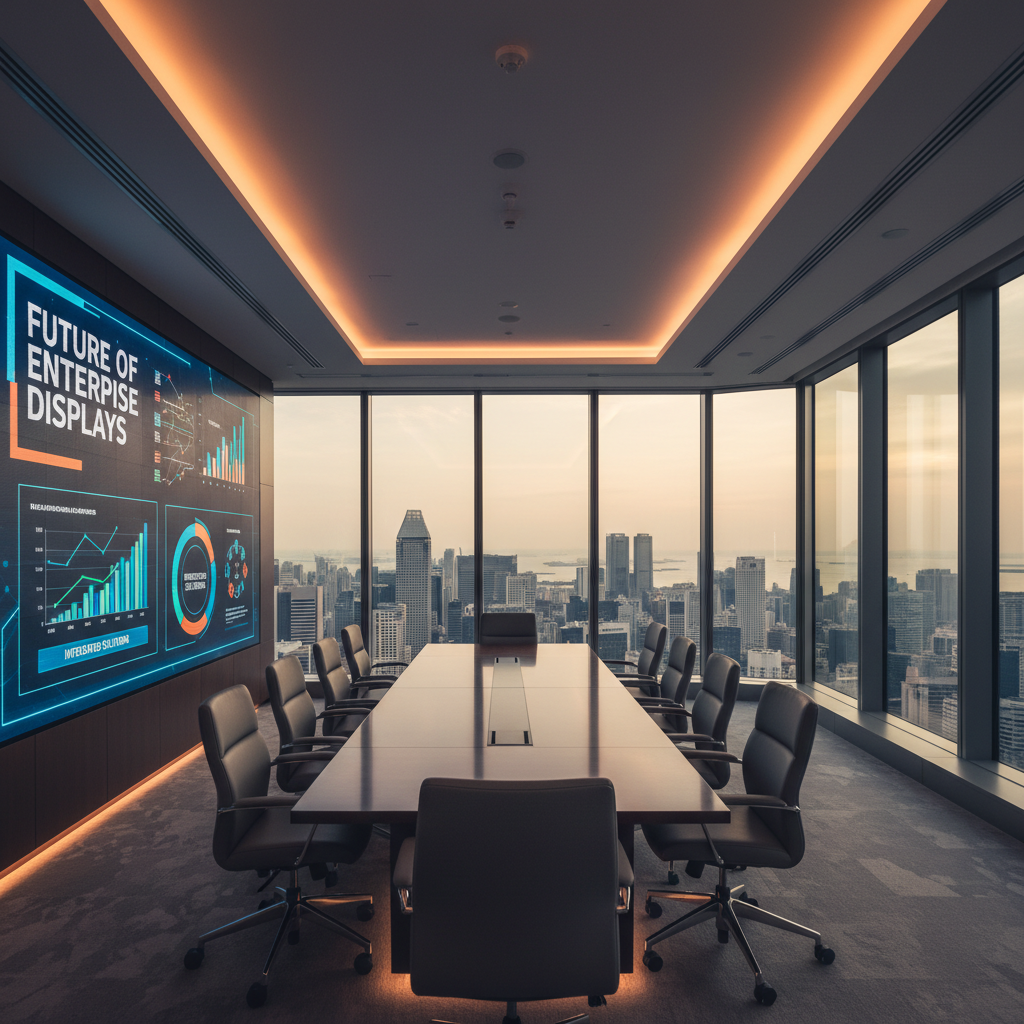
What to Expect During LED Video Wall Installation — Step by Step
Embarking on an LED video wall project is an exciting venture, promising to transform spaces with dynamic visuals and unparalleled impact. However, the journey from concept to a fully operational display involves a meticulous process, particularly when it comes to LED video wall installation. Understanding each step of the LED screen installation process is crucial for ensuring a seamless, efficient, and successful deployment. This comprehensive guide will walk you through what to expect, from initial planning to final commissioning, providing insights and practical tips to help you navigate this complex but rewarding endeavor. As Singapore's trusted LED display partner, ADE Immersive is committed to demystifying this process, ensuring your investment delivers maximum returns.
The Foundation: Pre-Installation Planning and Site Assessment
Before a single LED panel is unboxed, extensive planning and assessment are paramount. This initial phase dictates the success and longevity of your LED video wall. Skipping or rushing these steps can lead to costly delays, performance issues, and even safety hazards.
Understanding Your Vision and Requirements
Every LED video wall project begins with a clear understanding of its purpose. Are you aiming for an immersive retail experience, a high-impact corporate lobby display, a robust outdoor advertising solution, or a dynamic command and control center? The application directly influences the choice of LED technology, pixel pitch, size, and structural requirements.
- Application: Indoor, outdoor, semi-outdoor?
- Viewing Distance: How far will your audience be from the screen? This determines the optimal pixel pitch.
- Content: What kind of visuals will be displayed? Static images, high-resolution video, live feeds?
- Operating Hours: Will the screen run 24/7 or only during business hours? This impacts component durability and power consumption.
- Environmental Factors: Temperature, humidity, dust, direct sunlight, potential for impact (e.g., in public spaces).
Detailed Site Survey and Structural Analysis
A thorough site survey is indispensable. ADE Immersive's experts conduct detailed assessments to understand the physical environment where the LED wall will be installed. This includes:
- Dimensions and Layout: Accurate measurements of the installation area, including ceiling height, wall dimensions, and floor space. Consideration of potential obstructions like pillars, doorways, or existing fixtures.
- Structural Integrity: This is perhaps the most critical aspect. An LED video wall, especially a large one, can be significantly heavy. We assess the load-bearing capacity of walls, ceilings, or floors. This often involves collaborating with structural engineers to ensure the existing structure can safely support the additional weight. For outdoor installations, wind load calculations are also essential, especially in Singapore's tropical climate where sudden gusts can occur.
- Power Supply Assessment: LED video walls are power-intensive. We evaluate the existing electrical infrastructure to ensure it can handle the required wattage. This includes checking circuit breaker capacities, wiring gauges, and the availability of dedicated power lines. Often, upgrades or new power runs are necessary.
- Data Connectivity: Determining the best route for signal cables (HDMI, DisplayPort, DVI, fiber optic) from the content source to the LED controller and then to the display panels. Network infrastructure for remote management and content updates is also considered.
- Environmental Conditions: For indoor installations, HVAC systems are checked to ensure adequate cooling, as LED walls generate heat. For outdoor setups, protection against rain, humidity, and direct sunlight is planned, often requiring IP-rated enclosures and specialized cooling solutions.
- Accessibility for Maintenance: Planning for future maintenance is crucial. This includes ensuring technicians can safely access the rear or front of the display for servicing, whether through service corridors, catwalks, or front-serviceable panel designs.
Design and Engineering Phase
Once the site assessment is complete, our engineers and designers begin crafting the optimal solution. This involves:
- LED Panel Selection: Choosing the appropriate pixel pitch, brightness, refresh rate, and panel type (e.g., indoor fixed, outdoor fixed, rental) based on the application and environment.
- Mounting Structure Design: Custom-designing the support framework (e.g., wall mount, free-standing, suspended, curved) to perfectly fit the space and safely bear the weight of the LED panels. Materials like steel or aluminum are chosen for their strength and durability.
- System Architecture: Designing the signal flow, including video processors, senders, receivers, and control systems. This ensures seamless content delivery and flexible management.
- Heat Management: Integrating cooling solutions (fans, ventilation) into the design to prevent overheating and prolong the lifespan of the LED modules, especially for large, high-brightness displays.
- Safety Compliance: Ensuring the entire design adheres to local building codes, electrical standards, and safety regulations in Singapore. This includes fire safety, structural stability, and electrical safety.
Permitting and Approvals
For many commercial and outdoor LED video wall installations in Singapore, obtaining necessary permits and approvals from authorities like the Building and Construction Authority (BCA), Urban Redevelopment Authority (URA), and relevant town councils is mandatory. This process can be complex and time-consuming. ADE Immersive assists clients in navigating these requirements, preparing technical drawings, structural reports, and other documentation needed for submission. Early engagement in this phase prevents significant delays later on.
The Core: The LED Screen Installation Process
With meticulous planning complete and all necessary approvals secured, the physical LED video wall installation can commence. This phase requires precision, skilled technicians, and adherence to strict safety protocols.
Stage 1: Mounting Structure Assembly
The first physical step is the construction and installation of the custom-designed mounting structure.
- Delivery and Inspection: All structural components are delivered to the site and thoroughly inspected for any damage or discrepancies against the design plans.
- Anchoring and Framing: The support frame is precisely anchored to the wall, ceiling, or floor. This involves drilling, bolting, and welding (if applicable) to ensure maximum stability. For large outdoor displays, heavy-duty steel frameworks are often pre-fabricated and assembled on-site.
- Leveling and Alignment: Critical attention is paid to ensuring the frame is perfectly level and plumb. Even minor deviations can lead to visible seams or misalignments in the final display. Laser levels and precision tools are used for this step.
- Cable Management Pathways: Conduits and pathways for power and data cables are integrated into the structure, ensuring a neat, organized, and protected cabling system.
Stage 2: LED Cabinet Installation
Once the mounting structure is secure, the individual LED cabinets (also known as modules or panels) are systematically installed.
- Sequential Mounting: LED cabinets are typically installed row by row, or column by column, following a pre-determined sequence. Each cabinet is carefully lifted and secured to the mounting frame using specialized locking mechanisms.
- Precision Alignment: Technicians meticulously align each cabinet with its neighbors, ensuring minimal gaps and a perfectly flat surface. This is crucial for a seamless visual experience. High-precision tools and keen visual inspection are employed.
- Inter-Cabinet Cabling: As each cabinet is installed, the power and data cables are connected between adjacent cabinets. These connections are typically short, proprietary cables designed for quick and secure linking.
- Initial Power-Up (Testing): After a section or a full row of cabinets is installed, a preliminary power-up test may be conducted to check for basic functionality and identify any dead pixels or faulty modules early on.
Stage 3: Electrical and Data Connectivity
This stage brings the display to life by connecting it to the power grid and content sources.
- Main Power Connection: The main power supply units (PSUs) for the LED wall are connected to the dedicated electrical circuits established during the planning phase. All wiring is done by certified electricians, adhering to Singapore's electrical safety standards (e.g., SS 638:2018).
- Video Processor and Sender Card Installation: The video processor, which scales and optimizes content for the LED display, and the sender card, which converts video signals into a format understood by the LED panels, are installed. These are typically housed in a control room or a dedicated equipment rack.
- Data Cable Routing: Long-haul data cables (e.g., fiber optic, Cat6) are run from the sender card to the first LED receiving card in the display. For very large displays, multiple sender cards and distribution units may be used.
- Network Configuration: If remote management or networked content delivery is part of the system, network cables are connected, and IP addresses are configured for the control system.
Stage 4: System Integration and Calibration
This is where the magic happens, transforming a collection of panels into a cohesive, vibrant display.
- Software Configuration: The LED control software is installed and configured. This software maps the physical layout of the LED panels, defines the display resolution, and manages content distribution.
- Initial Power-On and Diagnostics: The entire LED video wall is powered on for the first time. Technicians run diagnostic tests to identify any non-functioning pixels, modules, or connection issues. Any identified faults are addressed immediately by replacing faulty components.
- Color and Brightness Calibration: This is a critical step for achieving stunning visual quality. Using specialized calibration tools (spectrophotometers or colorimeters) and software, each LED module's brightness and color output are adjusted to ensure uniformity across the entire display. This compensates for slight variations in LED chip manufacturing and ensures consistent color reproduction. Without proper calibration, the display might show noticeable color shifts or patches.
- Image Quality Optimization: Further adjustments are made to contrast, gamma, and refresh rate settings to optimize the overall image quality for the intended content and viewing environment.
- Content Management System (CMS) Setup: The CMS is configured to allow easy scheduling, uploading, and playback of content. Training is provided to the client's team on how to operate the CMS effectively.
Post-Installation: Handover, Training, and Support
The installation isn't truly complete until the client is fully equipped to operate and maintain their new LED video wall.
Handover and Final Walkthrough
Once the LED video wall installation is complete and fully calibrated, ADE Immersive conducts a comprehensive handover with the client.
- System Demonstration: A full demonstration of the LED video wall's capabilities, including content playback, brightness adjustments, and basic troubleshooting.
- Documentation: Provision of detailed documentation, including user manuals, wiring diagrams, system specifications, and warranty information.
- Final Inspection: A joint inspection with the client to ensure all aspects of the installation meet the agreed-upon specifications and quality standards.
Operator Training
Empowering your team to confidently manage the LED display is crucial. ADE Immersive provides thorough training sessions covering:
- Basic Operation: Turning the display on/off, adjusting brightness, switching content sources.
- Content Management: Uploading new content, scheduling playlists, and managing media files using the CMS.
- Basic Troubleshooting: Identifying common issues and performing simple fixes.
- System Monitoring: Understanding how to monitor the display's health and performance.
Maintenance and Support
An LED video wall is a significant investment, and ongoing maintenance is key to its long-term performance and lifespan.
- Preventative Maintenance: ADE Immersive offers comprehensive maintenance packages, including regular inspections, cleaning, firmware updates, and proactive component checks. This helps prevent issues before they arise.
- Remote Monitoring: Many modern LED systems can be remotely monitored, allowing our support team to detect potential problems (e.g., module failure, power issues) and often resolve them before they impact operations.
- On-Site Support: In the event of a technical issue, our local support team in Singapore is readily available for on-site diagnosis and repair, ensuring minimal downtime.
- Warranty: All ADE Immersive LED video walls come with a robust warranty covering parts and labor, providing peace of mind.
Key Considerations and Practical Tips for a Smooth Installation
Navigating the complexities of how to install LED wall requires foresight and attention to detail. Here are some crucial considerations:
Project Management and Communication
- Dedicated Project Manager: A single point of contact from ADE Immersive will oversee the entire project, ensuring seamless coordination between our teams, your stakeholders, and any third-party contractors (e.g., electricians, structural engineers).
- Regular Updates: Expect regular progress reports and open communication channels throughout the project lifecycle.
- Clear Scope of Work: Ensure a detailed scope of work is established upfront, outlining responsibilities, timelines, and deliverables.
Safety Protocols
Safety is non-negotiable, especially in a bustling city like Singapore.
- Risk Assessment: A thorough risk assessment is conducted for every installation site.
- Certified Technicians: All our installation technicians are highly trained and certified, adhering to strict safety guidelines and using appropriate personal protective equipment (PPE).
- Site-Specific Safety Plans: For complex installations, a detailed safety plan is developed and communicated to all personnel involved. This includes managing work at heights, electrical safety, and material handling.
Environmental Factors (Singapore Specific)
- Humidity and Heat: Singapore's high humidity and temperatures can impact electronic components. ADE Immersive specifies LED products designed for tropical climates and integrates robust cooling solutions.
- Rain and UV Exposure (Outdoor): For outdoor displays, IP65/IP68 rated panels are essential, along with UV-resistant coatings to prevent degradation from intense sunlight. Proper drainage and weatherproofing are critical.
- Space Constraints: Singapore's urban environment often means tight spaces. Our installation teams are experienced in working efficiently within confined areas, minimizing disruption.
Future-Proofing Your Investment
- Scalability: Consider if your LED wall might need to expand in the future. Design for modularity can make upgrades easier.
- Technology Updates: LED technology evolves rapidly. Choose a system that allows for relatively easy firmware updates and potential module replacements without overhauling the entire structure.
- Energy Efficiency: Select energy-efficient LED panels and power supplies to minimize operational costs, especially given Singapore's electricity prices.
Comparing Mounting Methods for LED Video Walls
The choice of mounting method significantly impacts the LED video wall installation process, structural requirements, and aesthetic outcome. Here's a comparison of common methods:
| Feature/Method | Wall-Mounted (Fixed) | Free-Standing (Floor-Mounted) | Suspended (Hanging) | Curved/Creative |
|---|---|---|---|---|
| Description | Directly attached to a load-bearing wall. | Supported by a base structure on the floor. | Hung from the ceiling structure. | Custom-built to form curves, waves, or unique shapes. |
| Typical Use Cases | Retail displays, corporate lobbies, control rooms, public information boards. | Event stages, temporary installations, exhibition booths, areas without strong walls. | Airport information, large atrium displays, architectural features, digital signage. | Immersive experiences, artistic installations, unique branding, stadium perimeters. |
| Structural Needs | Strong, load-bearing wall. Wall integrity assessment is critical. | Sufficient floor load capacity. Stable, heavy base structure. | Very strong ceiling structure (beams, trusses). Load calculations are paramount. | Complex custom framework, often a hybrid of other methods. Requires specialized engineering. |
| Installation Complexity | Moderate. Requires precise drilling and anchoring. | Moderate. Assembly of base and vertical supports. | High. Requires overhead access, specialized rigging, and safety measures. | Very High. Custom fabrication, precise panel fitting, advanced calibration. |
| Accessibility for Maintenance | Front-serviceable panels often preferred. Rear access if space allows. | Generally good, often front-serviceable or with easy rear access. | Challenging. May require lifts, scaffolding, or specialized access platforms. | Varies greatly based on design; often requires specialized access. |
| Aesthetics | Seamless integration with the wall, clean look. | Can be prominent, but offers flexibility in placement. | Striking, eye-catching, creates a floating effect. | Highly impactful, visually stunning, unique brand identity. |
| Cost Implications | Generally cost-effective for standard sizes. | Mid-range, depends on base structure complexity. | Higher due to specialized rigging and structural reinforcement. | Highest, due to custom engineering, fabrication, and installation. |
| Singapore Relevance | Most common for commercial and retail. | Popular for events and temporary setups. | Used in large malls, convention centers, and transport hubs. | Growing trend for experiential marketing and architectural integration. |
Choosing the right mounting method is a collaborative decision between you and ADE Immersive, based on your objectives, budget, and site constraints.
Conclusion: Partnering for a Flawless LED Video Wall Installation
The journey of an LED video wall from a concept to a breathtaking reality is intricate, involving a multitude of steps from detailed planning and structural engineering to precise installation and meticulous calibration. Understanding the LED screen installation process is key to managing expectations and ensuring a successful outcome.
At ADE Immersive, we pride ourselves on being Singapore's leading expert in LED display solutions. Our comprehensive approach covers every aspect of your project, from initial consultation and site assessment to design, LED video wall installation, commissioning, and ongoing support. We ensure that every project, regardless of its scale or complexity, is executed with the highest standards of quality, safety, and professionalism. Our commitment is to deliver not just an LED screen, but a powerful visual communication tool that drives engagement, enhances experiences, and achieves your strategic objectives.
Ready to transform your space with a stunning LED video wall?
Don't leave your investment to chance. Partner with ADE Immersive, the trusted name in LED display solutions in Singapore. Our team of experts is ready to guide you through every step of the process, ensuring a seamless and successful LED video wall installation.
Contact ADE Immersive today for a consultation and let us bring your vision to life!
Need Expert Advice?
Get a free consultation from our LED display specialists.
Related Articles
How LED Displays Transform Retail Stores in Singapore
The retail landscape in Singapore is undergoing a profound transformation, driven by evolving consumer expectations and the relentless pace of technological innovation. In this competitive environment, traditional static signage is increasingly being...
LED Video Wall vs Projector — Which is Better for Your Space?
In the dynamic world of visual display technology, choosing the right solution for your space can be a complex decision. Two of the most prominent contenders, LED video walls and projectors, offer distinct advantages and disadvantages. Whether you're...
Transparent LED vs OLED — Which Transparent Display Technology is Best?
In the rapidly evolving landscape of display technology, transparent screens are emerging as a groundbreaking innovation, seamlessly blending digital content with physical environments. These futuristic displays offer a captivating visual experience,...